



Visit Us
2080 Century Park East, Suite 1710
Los Angeles, CA 90067
Call/Text
Open Hours
Mon–Fri: 9am–5pm
Sat: by Appointment Only
Expert Endodontic Evaluation for Difficult Dental Decisions
Any complex medical case will involve a high number of factors and considerations. Dentistry is no different. When a patient has a situation that might lead to extraction, for example, it’s important to make an informed decision. Getting a second opinion for complex dental cases gives you an additional professional perspective that can help guide procedure choices. As an experienced endodontist, Dr. Joshua Yadegar has worked across countless complex cases, gladly providing a second opinion for patients coming from other practices.

Why Seek a Second Opinion for Dental Treatment?
Determining the right dental treatment is not always a straightforward process. The sheer number of factors inevitably makes it a complicated issue, especially when weighing the best, longest-term outcome.
Some common reasons patients seek a second opinion for dental treatment include to:
- Confirm a diagnosis
- Explore treatment alternatives
- Evaluate tooth preservation
- Assess previous treatments
- Understand treatment risks
A second opinion does not necessarily mean your original dentist’s recommendation was incorrect. Rather, it’s more about gaining additional clinical insight for better evaluating your options.
Take the first step in preserving your smile.
When Should You Consider a Dental Second Opinion?
- Persistent tooth pain without a clear diagnosis
- Recommendations for extraction
- Recurring infections post-root canal treatment
- Tooth pain despite previous dental procedures
- Complex dental trauma or injury
- Conflicting diagnoses or treatment recommendations
- Extensive decay or structural damage affecting tooth preservation
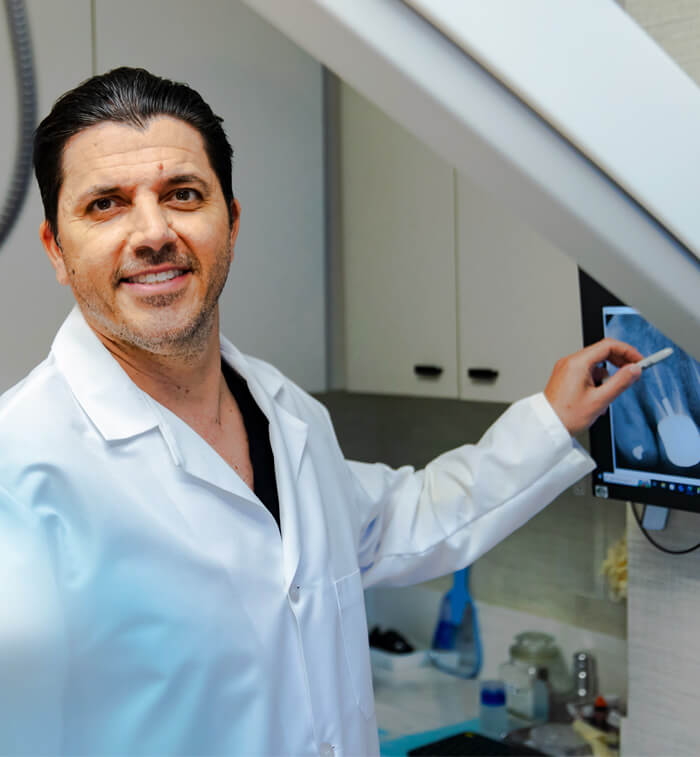
How Dr. Yadegar Evaluates Complex Dental Cases
Review of Dental History + Evaluation
An informed second opinion is a quality second opinion. Dr. Yadegar will try to learn as much about your medical situation as possible, as each element can influence treatment appropriateness. A medical review gives him an idea of your past, and comprehensive exams give him a clinical picture of your present.
Advanced Diagnostic Imaging
In highly complex cases, Dr. Yadegar may recommend additional imaging.
Three-dimensional cone-beam computed tomography (CBCT) can provide essential information that may not be visible on conventional dental X-rays, such as
- Root anatomy
- Fractures
- Areas of infection
Assessment of Treatment Options
With diagnostic findings in hand, Dr. Yadegar can begin discussing treatment. Often, his recommendations align with what your other dental clinician recommended. Other times, his specialist perspective may involve slight adjustments or alternatives that could preserve the tooth or avoid unnecessary treatment.
Some approaches he often recommends as part of a second opinion include:
- Root Canal Treatment: Removes infected or inflamed pulp to preserve a tooth (otherwise, may require extraction).
- Endodontic Retreatment: Reopening and treating a previously completed root canal that is still infected or problematic.
- Endodontic Surgery: Addressing certain infections near the root tip.
- Restorative Treatment: Coordinating with your general dentist for crowns or other restorations.
- Extraction and Replacement: Recommending removal when a tooth cannot be reliably treated or restored.
- Further Evaluation: If the source of symptoms remains uncertain, he may recommend other medical specialties that might suit your needs.
Second Opinion for Complex Dental Cases FAQs
Is it worth getting a second opinion before having a tooth extracted?
Once a tooth is out, it’s out. So we recommend a second opinion before making such a significant decision. You may still need an extraction, but a second opinion can confirm that you’re making the right choice.
Can an endodontist find problems that a general dentist missed?
Potentially, as endodontists have specialized training in their field subset. Their additional expertise in diagnosing tooth pain and treating diseases of the dental pulp and root canal system may help identify complex conditions that are otherwise difficult to diagnose via routine
dental exams.
Should I get a second opinion before a root canal?
Only in uncommon cases, such as:
- If the diagnosis is uncertain
- If symptoms do not match the findings
- If you have concerns about the recommended procedure
Otherwise, canals are often straightforward and preserve your tooth.
What should I bring to my dental second-opinion appointment?
- Dental X-rays
- Treatment plans
- Relevant medical information
- Records of previous procedures
Providing these materials can help Dr. Yadegar better understand your case. Having them could also reduce the need to repeat certain diagnostic procedures.
Will my original dentist know that I requested a second opinion?
A second opinion can be performed independently. However, relevant findings can be shared with your original dentist if you provide authorization. Medical professionals are well aware of the importance of second opinions, so your dentist should not see it as not trusting them but rather a commitment to your personal health.
Does getting a second opinion mean I need to change dentists?
No. You can continue seeing your regular dentist after receiving an independent evaluation. The main role of a second opinion is the endodontic insight. In cases when your dentist does not offer the needed procedure, you may need a specialist’s services.
Schedule a Second Opinion for a Complex Dental Case
Call our office at 310.553.3232 or schedule a consultation online to request a second opinion for your dental treatment. Dr. Joshua Yadegar gladly welcomes patients who want second opinions for complex dental cases. His aim is to help you better understand your diagnoses and make informed decisions about best ensuring your oral health.